
Bioenergy: Rising demand meets limited raw materials
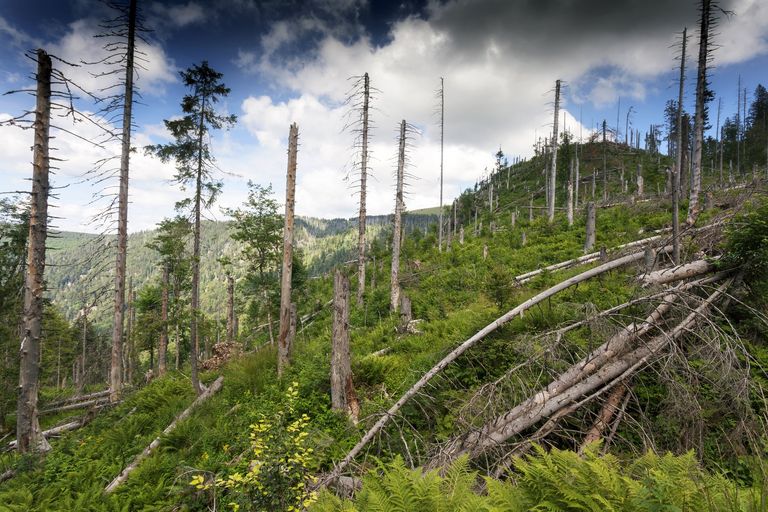
Wood, energy crops and residues are available in limited quantities and are needed for climate protection, biodiversity and durable products. A brief study by the Öko-Institut, ifeu, IREES and Fraunhofer ISI shows that new legislative frameworks could significantly increase bioenergy demand by 2045, whilst the sustainably available domestic supply remains limited.
Less scope for energy crops and timber
The sustainable domestic bioenergy potential in 2025 stands at around 900 to 1,000 petajoules (PJ) and could fall to below 800 PJ by 2045 if ambitious climate and nature conservation measures are implemented. Reasons for this include the rewetting of peatlands, an increase in agroforestry systems and a reduction in timber harvesting in favour of carbon sequestration in forests. Additional potential from residues and waste materials can only partially offset this decline.
Regulatory frameworks are driving up demand
New regulations in the building, transport and electricity generation sectors could significantly increase demand for biomethane, biofuels and biogas. In particular, the facilitation of gas heating systems and the requirements for renewable fuels could increase demand for biomethane in the long term. The extent to which demand actually rises depends, amongst other things, on prices, fuel availability and heating choices.
Bioenergy demand could rise significantly by 2045
Whilst the 2026 projection report anticipates a decline in bioenergy demand from 1,055 PJ (2026) to 830 PJ (2045), the brief study’s updated scenario for 2045 puts the figure at 1,266 PJ. This represents an increase of around 20 per cent compared with 2026 and is approximately 50 per cent higher than the previous projection. Biogas and biomethane account for the largest share (710 PJ), followed by solid (479 PJ) and liquid biomass (77 PJ).
More imports, new conflicts of interest
Particularly in the case of biogas and biomethane, the gap between demand and domestic potential is widening. Higher imports would be necessary to close this gap. This entails risks such as new dependencies, competition for raw materials and environmental impacts in the countries of origin, as well as additional infrastructure costs. Globally, too, sustainable biomass potential is limited.
The study makes it clear that the promotion of bioenergy must be more closely aligned with available raw materials. Rising demand may compete with the protection of natural carbon sinks, sustainable land use and the material use of wood.
Click here to view the study: „Hintergrundpapier „Biomasse zur energetischen Nutzung“ (in German)
Contact
Susanne Köppen
[email protected]
+49 (0)30 2844578 25
To profile